







Search Results for: Geisha growing conditions
A Complete Guide to Panama Geisha Coffee: Variety Origins, Growing Conditions, Market Prices, and Flavor Brewing Guide
Geisha coffee holds a unique and exalted position in the specialty coffee world, with its price consistently ranking at the top of the menu. From the perspective of Front Street, this article systematically traces Geisha's varietal origins and rise to fame, analyzing the deep-seated reasons behind its high price, including its stringent requirements for growing conditions such as altitude, soil, and shade, as well as varietal characteristics like thin leaves, weak root systems, and low yields. It also introduces the Best of Panama (BOP) competition and Hacienda La Esmeralda's grading system, details the flavor differences between washed and natural processing methods, and offers red label, green label, and affordable alternative options from Front Street's bean list. Finally, it includes brewing parameters and flavor descriptions for the washed green label, helping enthusiasts fully understand Geisha's value and charm. [more…]
Why Are Panama Geisha Coffee Prices So High? A Full Analysis of Variety Characteristics, Growing Conditions, and Brewing
Geisha coffee, with its bright and complex floral and fruity aromas and high-sweetness fruit-toned profile, has become a benchmark variety in the specialty coffee world. From its discovery in the forests of Ethiopia to Hacienda La Esmeralda in Panama winning the 2004 BOP competition, Geisha's rise to fame has been full of legend. This article sorts through Geisha's varietal origins, its demanding requirements for high altitude and shade, the low yields and fragility that lead to its high price, and the market price differences between Hacienda La Esmeralda's auction-lot and Red Label/Green Label tiers. It also shares price information and pour-over brewing parameters for the Geisha currently sold at Front Street Coffee stores, helping coffee lovers gain a comprehensive understanding of this variety's unique value. [more…]
A Comprehensive Analysis of the Coffee-Growing Environment, Geisha Variety, and Flavor Processing at Elida Estate in Panama
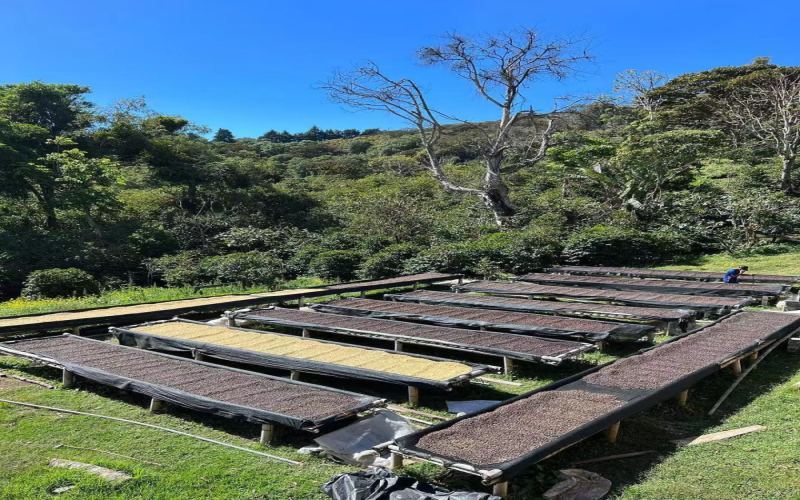
Located in the Boquete production region of Panama, Elida Estate enjoys high-altitude growing conditions rarely found in Central America, with a history dating back to the Lamastus family in 1918. More than half of the estate lies within Volcán Barú National Park, and its coffee is grown at elevations ranging from 1,670 to 1,850 meters, making it one of the highest-elevation estates in Panama. The estate mainly cultivates three varieties: Catuai, Typica, and Geisha. The owner is extremely rigorous during harvest and processing, picking only the ripest cherries by hand and subjecting the green beans to low-temperature resting and purification for more than five months. This article will introduce, one by one, the estate's history, growing environment, shade management, the origins of the Geisha variety, and finally Front Street Coffee's brewing recommendations for Elida Estate ASD-process Geisha. [more…]
Panama Coffee Flavor Analysis: Why Geisha Became the Darling of the Specialty Coffee World
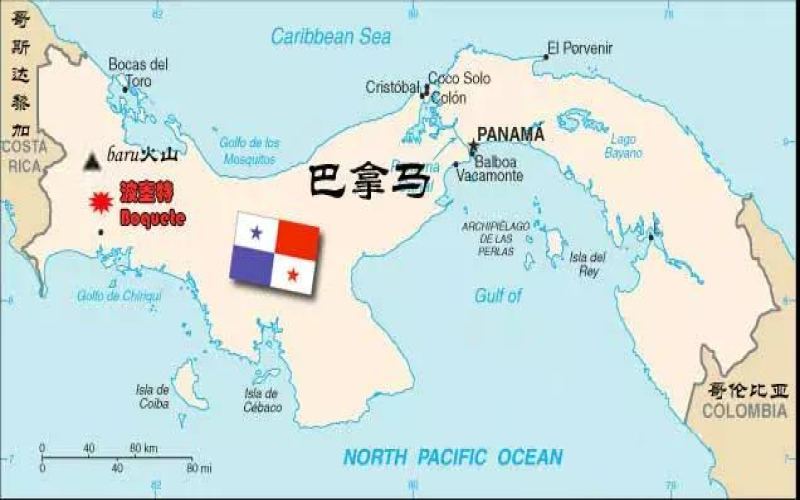
Panama coffee occupies a unique position in the global specialty coffee landscape, and when it comes to Panama, almost everyone immediately thinks of the Geisha variety's signature citrus notes, floral aromas, and intense berry flavors. After Geisha rose to fame in Panama, producing regions around the world rushed to plant it, and Yunnan, China also joined the ranks of cultivation. However, the same variety performs very differently under different terroir conditions, and Geisha is especially picky about its growing environment—high altitude and shade trees are both indispensable. Panama's climate and geographical conditions happen to match Geisha's growing requirements, thus producing its captivating floral aromas, refined fruit acidity, and richly layered flavors. This article will take a deep dive into Panama's coffee-producing regions, Hacienda La Esmeralda's grading system, and Front Street Coffee's brewing recommendations for Geisha coffee. [more…]
Panama Geisha Coffee Price Trends and Flavor Characteristics: A Guide to Buying Cost-Effective Geisha Beans
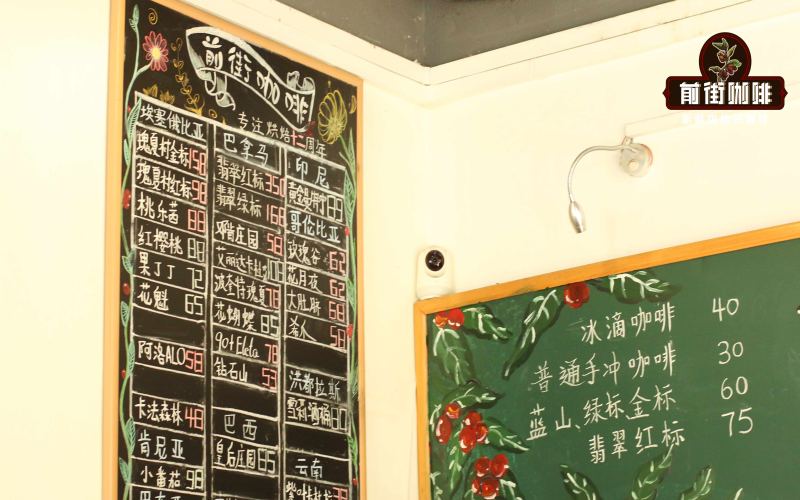
Geisha coffee has repeatedly set high prices at major auctions, but what exactly makes it so expensive? Is it that the more expensive it is, the better it tastes, or is its flavor truly outstanding? Starting from the variety's origins, growing conditions, and flavor characteristics, this article will help you sort out a reasonable price range for a bag of estate-grade Geisha, and recommend several Geisha coffee beans with classic flavors and approachable prices. If you want to experience the signature floral and citrus notes of Panamanian Geisha without paying a premium, this buying guide is worth a read. [more…]
Why Is Geisha Coffee So Expensive? From the Legend of Panama's Hacienda La Esmeralda to a Full Breakdown of Its Flavor Tiers
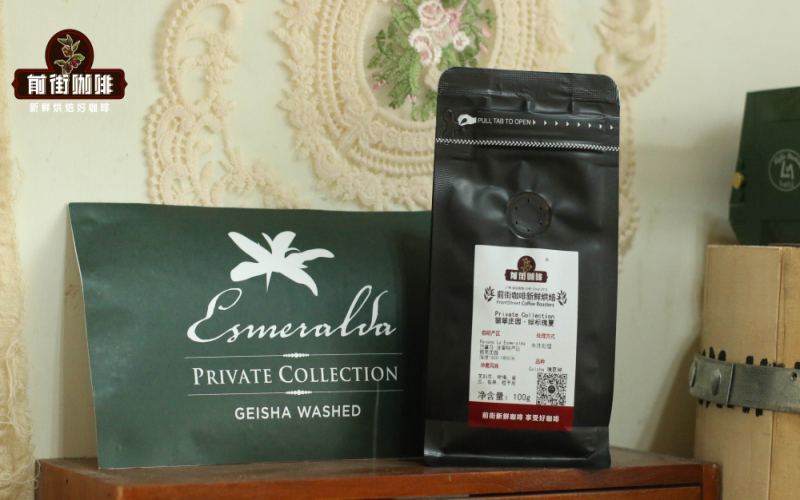
In 2004, Panama's Hacienda La Esmeralda entered a coffee variety called Geisha into the Best of Panama (BOP) green coffee competition, and with its rich, complex cup profile it took first place at a stroke, forever changing the landscape of the specialty coffee world. Geisha prices have remained high ever since—so what exactly makes it so expensive? This article, from the perspective of Front Street Coffee, traces Geisha's varietal origins, growing conditions, and processing methods, as well as how Hacienda La Esmeralda elevated this variety to iconic status, and includes product information and pour-over recommendations for Front Street Red Label Geisha, giving you a comprehensive understanding of Geisha's standing and appeal. [more…]
Why has Panama Geisha become a leader in specialty coffee? Can Geisha beans be used to make espresso?
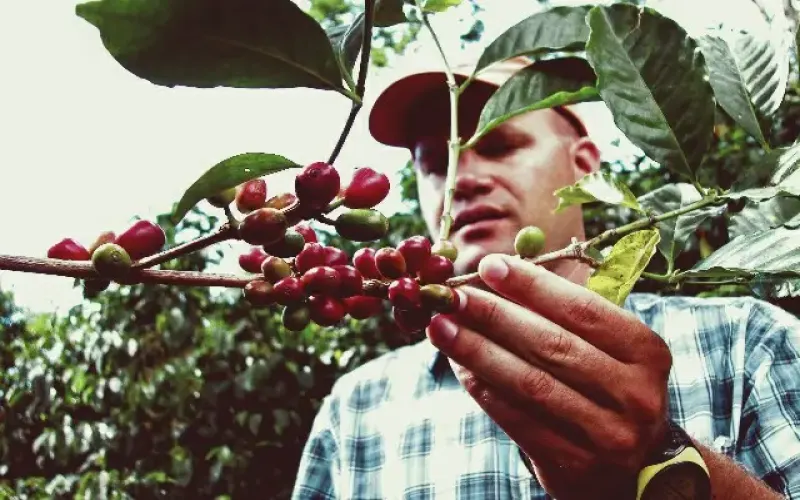
Geisha coffee is widely recognized as a star variety among specialty coffees, and the Geisha produced at Hacienda La Esmeralda in Panama is the benchmark among them. Geisha originated in Ethiopia and was later introduced to Panama, where, thanks to the local unique climate and high-altitude growing conditions, it displayed delicate floral aromas and elegant fruit acidity, bursting onto the scene. So, can Geisha coffee beans be used to make espresso? Front Street Coffee gives its own answer from the perspectives of product positioning, roasting difficulty, and flavor performance. This article will take you through the origin and spread of Geisha, the terroir advantages of Panama's Boquete producing region, and why Front Street prefers to present Geisha's unique charm through pour-over. [more…]
Panama Elida Estate: A Analysis of the Growing Environment, Variety, and Flavor of Ultra-High-Altitude Geisha
In the Boquete production region of Panama, there is a coffee estate whose altitude is almost unmatched in the country—Elida. It belongs to the Lamastus family, with more than half of its area located within Volcán Barú National Park, and coffee cultivation heights extending from 1,670 meters all the way to 1,850 meters. Here, after planting, it takes five years before the first harvest; the long maturation period gives rise to richer flavors. The estate mainly cultivates three varieties—Catuai, Typica, and Geisha—with Geisha being the most notable. This article will take you into Elida's microclimate, shade-growing methods, strict harvesting and green bean purification processes, and, using Front Street Coffee's Elida ASD Geisha as an example, share specific brewing parameters. [more…]
Panama Geisha Coffee Pricing Analysis: Why Hacienda La Esmeralda Red Label Can Sell for Sixty Yuan per Cup
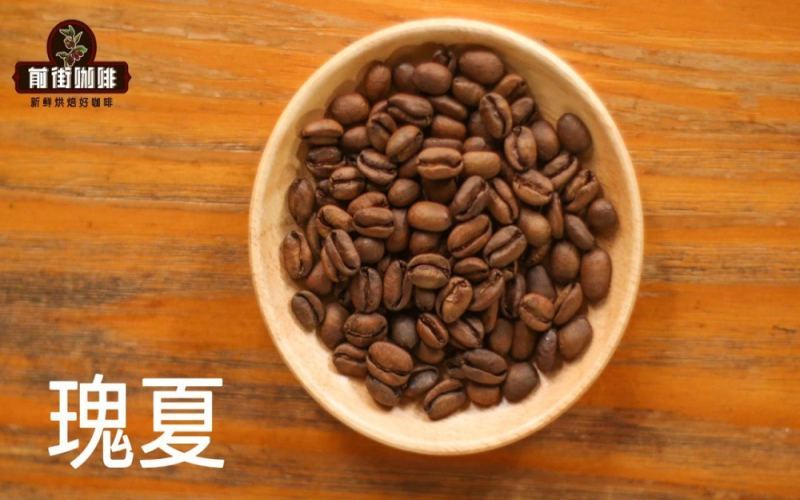
Geisha coffee is renowned as one of the most expensive coffees in the world, with the Red Label Geisha from Panama's Hacienda La Esmeralda being particularly notable. Since winning the BOP competition in 2004, Geisha's auction prices have repeatedly hit new highs, reaching $1,029 per pound in 2019. But where does Geisha's high price come from? And how do you distinguish between Hacienda La Esmeralda's Red Label and Green Label? Front Street Coffee, as an experienced roaster, not only offers cost-effective Red Label and Green Label Geisha, but also a Boquete Geisha suitable for beginners. This article will comprehensively analyze Geisha's pricing system, grade classifications, brewing parameters, and flavor characteristics, taking you on a deep dive into the charm of this legendary coffee. [more…]

Why Does Panama Geisha Stand Out in Flavor? An Analysis of the Unique Charm of Washed Boquete Geisha
In 2004, Hacienda La Esmeralda won the Best of Panama competition with the Geisha variety, and this variety has been famous ever since. Geisha is extremely demanding when it comes to its growing environment, requiring shade, high altitude, and fertile soil to express its delicate floral aromas and fruity notes. Thanks to its unique terrain, climate, and volcanic soil, Panama became the place where Geisha rose to fame. This article will sort through the origins of Geisha, Panama's terroir advantages, and the characteristics of the washed process, and, combined with Front Street Coffee's cupping and roasting experience, help you understand why Panama Boquete Geisha can present white florals, citrus lemon, and honey sweetness. [more…]
Geisha Coffee Beginner's Guide: Variety Characteristics, Grade Classification, and Cost-Effective Choices Explained
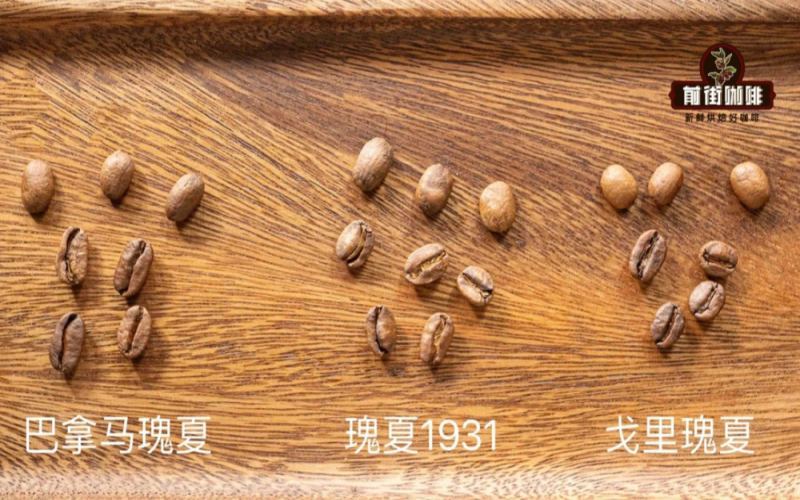
Geisha coffee is hailed as the most sought-after coffee variety in the world, and its distinctive floral and citrus notes captivate countless enthusiasts. However, Geisha coffee trees have extremely low yields and demanding growing conditions, keeping prices stubbornly high. This article will guide you through the varietal characteristics of Geisha coffee beans, introduce the Red Label, Green Label, and Blue Label grading system of Panama's Hacienda La Esmeralda, and present two cost-effective paths to achieving "Geisha freedom": Geisha blends represented by Butterfly, and entry-level lots from various representative estates. Front Street Coffee will also share its own experience to provide you with practical buying advice. [more…]
Tracing the Origins of Panama Geisha Coffee and Analyzing the Nutty Flavor and Mouthfeel Characteristics of Light Roasts
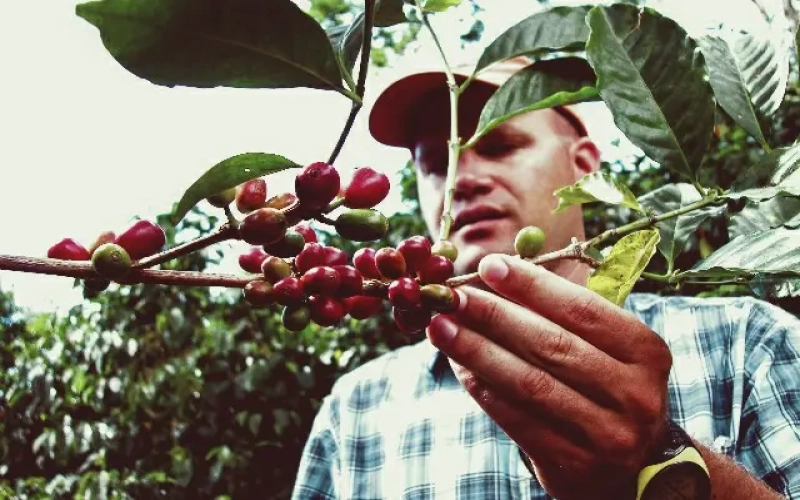
Geisha coffee originated in Ethiopia but rose to prominence in Panama, becoming one of the most celebrated specialty coffee varieties in the world. Starting from Panama's unique geographical and climatic conditions, this article traces the history of Geisha's varietal spread and analyzes the cultivation characteristics of the Boquete region along with Hacienda La Esmeralda and Elida Estate. At the same time, drawing on Front Street Coffee's roasting and brewing practices, it focuses on the layers of flavor—nuts, cream, citrus, and floral tea—that Panamanian Geisha presents under a light roast, as well as the flavor differences among various lots such as Red Label and Green Label, offering coffee enthusiasts a systematic reference for Geisha appreciation. [more…]
Comparison of Geisha Coffee from Three Major Origins: An Analysis of Flavor Differences Between Panama, Costa Rica, and Guatemala
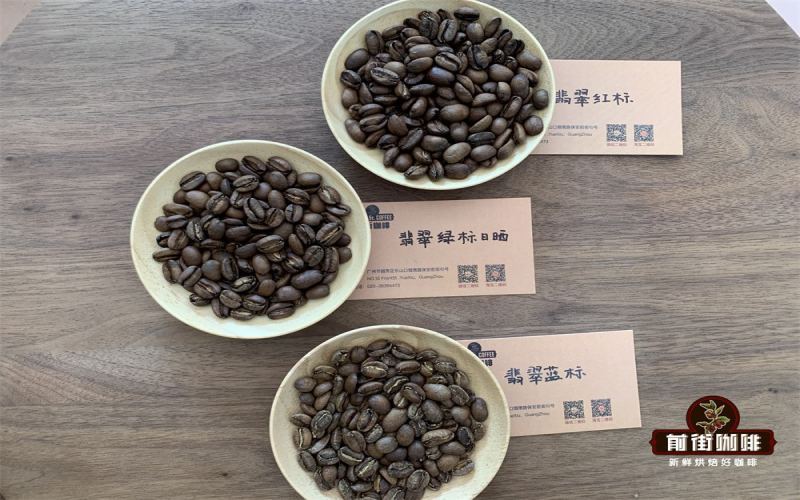
Since Geisha coffee first rose to prominence at Hacienda La Esmeralda in Panama, producing regions around the world have raced to plant it, yet each terroir gives it a distinctly different expression. This article begins with the variety's origins, compares the growing conditions and cup profiles of Geisha from Panama, Costa Rica, and Guatemala, and shares Front Street Coffee's hands-on experience in selecting and brewing Geisha. Whether you want to understand the difference between red-tag and green-tag lots, or are curious about how honey and natural processing change the flavor, you'll find the answers here. [more…]
Ethiopian Coffee vs. Geisha Variety Comparison: Flavor Characteristics of Kafa Wild Forest Washed Beans and V60 Brewing Method
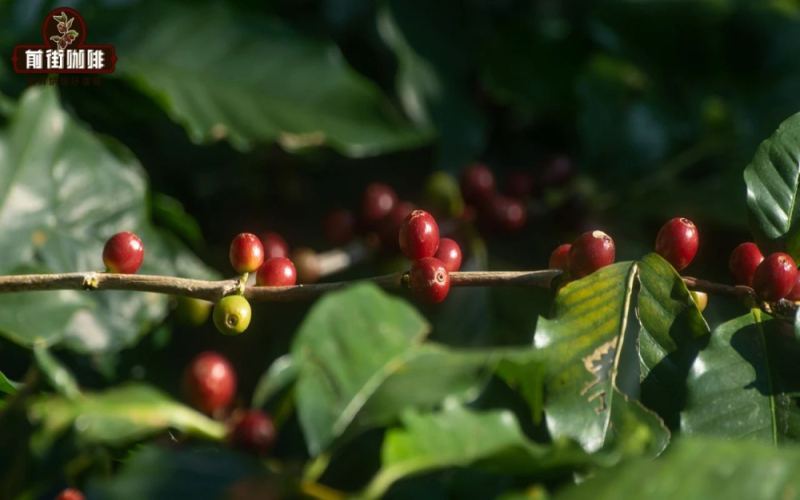
Ethiopia, as the birthplace of Arabica coffee, is home to numerous well-known growing regions, and the Geisha variety takes its name from the Geisha Mountain in the country's Kafa forest. Starting from Front Street Coffee's everyday bean series, this article systematically reviews Ethiopia's coffee-growing conditions, its main producing regions, and the wild coffee characteristics of the Kafa Biosphere Reserve, while comparing in detail the essential differences between the native heirloom varieties of the Kafa forest and the Panamanian Geisha variety. It also introduces the flavor profile of Front Street's washed Kafa Forest coffee beans, along with the specific parameters and techniques for three-stage extraction using a V60 dripper, helping coffee enthusiasts understand more clearly the relationship between Ethiopian coffee and Geisha. [more…]
Analysis of the Flavor Characteristics of Panama Geisha Coffee: The Origin of the Name Geisha in Japan and the Development History of the Variety
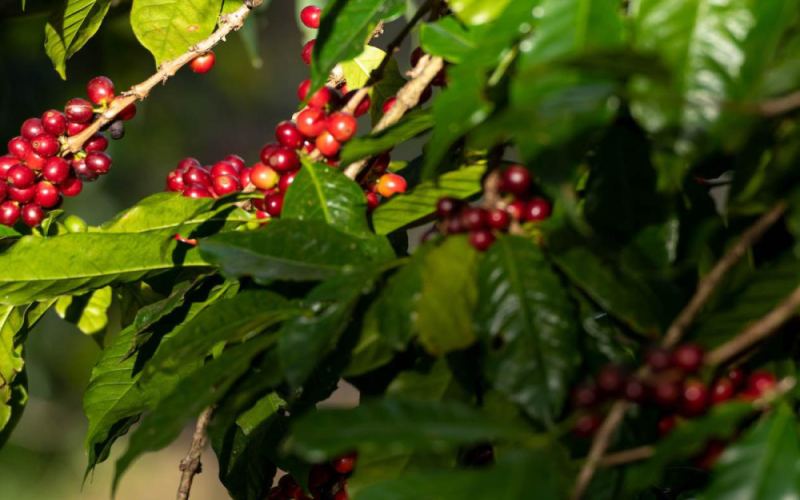
Geisha coffee is a variety in the Arabica family with extremely strict growing conditions; it favors high altitudes, misty cloud cover, fertile soil, and sufficient accumulated heat. This variety was first discovered by botanists near the village of Geisha in Ethiopia, then made its way through Kenya, Uganda, Tanzania, and Costa Rica, and finally took root and flourished in Panama. Because the pronunciation of Geisha is similar to the Japanese word for "geisha," Geisha coffee is also called geisha coffee in Japan and elsewhere. This article will trace the spread of Geisha, introduce Panama's main producing regions and the rise of Hacienda La Esmeralda, and help you understand why Front Street Coffee's Boquete Geisha coffee is so popular among beginners for its floral notes, citrus, peach, and oolong tea finish. [more…]
Panama El Burro Estate ASD Anaerobic Natural Geisha: The Coffee Legend and Flavor Analysis of a Century-Old Estate in the Boquete Region
Geisha coffee has long been renowned worldwide for its high price and scarce yield, and the Boquete region of Panama is precisely the core stage where this legendary variety shines. Hacienda La Esmeralda, a famous estate in the Boquete region with nearly a century of history, is located on the edge of Volcán Barú National Park at an altitude of 1,700 to 2,000 meters. Thanks to its unique microclimate, volcanic soil, and shade-growing conditions, it produces Geisha coffee with outstanding flavor. This article will take you through an in-depth look at the history of Hacienda La Esmeralda, the terroir of its producing region, its natural processing method, and Front Street Coffee's roasting and pour-over recommendations for this bean, offering a comprehensive presentation of its rich flavor layers interwoven with ginger flower, citrus, honey, and berries. [more…]
Which origin is most famous for Geisha coffee? Can Panamanian Geisha be used to make espresso?
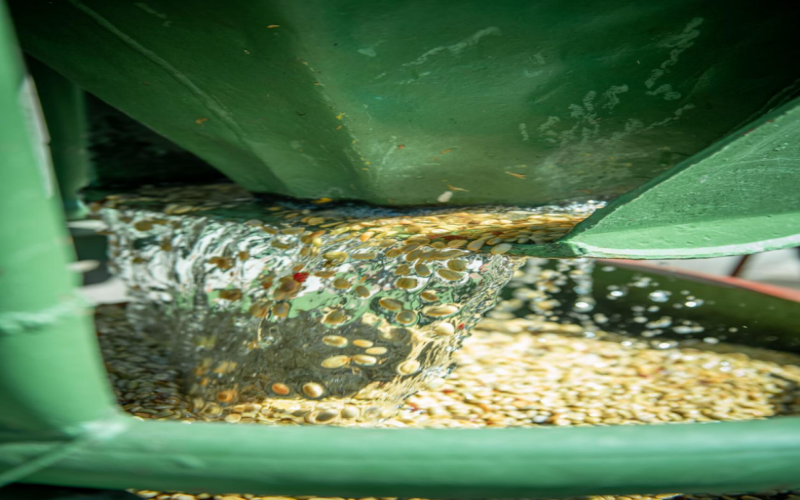
Geisha coffee is renowned worldwide for its delicate and elegant floral aromas and fruity acidity, and the Geisha produced at Hacienda La Esmeralda in Panama is widely recognized as the finest of all. The Geisha variety originated in Ethiopia, yet it truly shines under Panama's unique terroir conditions, with the high-altitude microclimate of the Boquete region being particularly crucial. As for whether Geisha can be used to make espresso, the answer is yes—single-origin beans made into SOE are one example—but in practice, factors such as roast level, extraction parameters, and output consistency need to be taken into account. Front Street Coffee walks coffee enthusiasts through the full picture of Geisha coffee, from variety characteristics and regional terroir to brewing methods, and shares why the shop chooses to present Geisha as pour-over rather than espresso. [more…]
A Comprehensive Analysis of Yunnan Geisha Coffee Varieties: Cultivation Status and In-Depth Flavor Evaluation in the Baoshan and Pu'er Production Regions
In recent years, domestically grown Yunnan Geisha has gradually entered the specialty coffee market, with producing regions such as Baoshan, Pu'er, and Xishuangbanna successively introducing this legendary variety. Geisha originated in the Gesha forest of Ethiopia, then spread via Kenya and Tanzania to Costa Rica and Panama, rising to fame through its breakthrough performance at the 2004 BOP competition. Yunnan began trial-planting Geisha around 2011, mostly at altitudes between 1,300 and 1,800 meters, and due to soil and climatic conditions, its flavor profile shows a different tonality from that of Panama and Ethiopia. Starting from the origin and history of Geisha and the terroir characteristics of the two representative producing regions, Panama and Ethiopia, this article will systematically review the cultivation background, variety performance, and cupping flavors of Yunnan Geisha, and share Front Street Coffee's recommended tasting experience of Yunnan Baoshan Natural Geisha, helping coffee lovers gain a comprehensive understanding of the true quality level and flavor potential of domestic Geisha. [more…]
Analysis of Geisha Coffee Flavor Characteristics: How to Identify Authentic Panamanian Geisha Coffee Beans
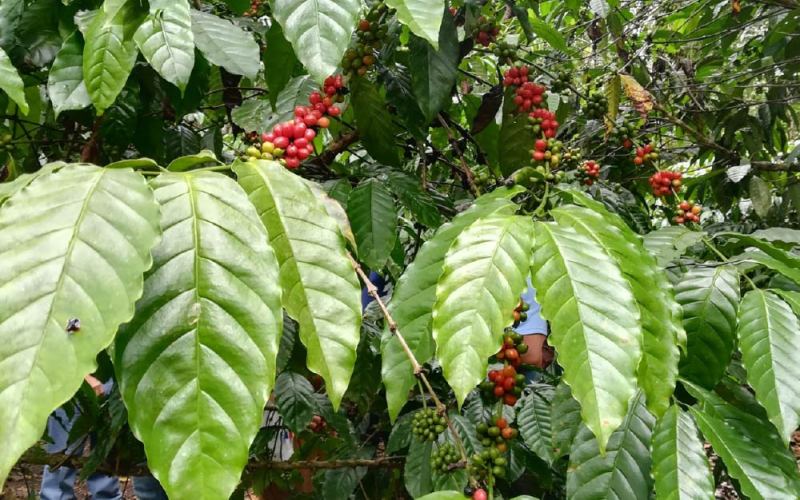
Geisha coffee is famous for its rich floral aroma, complex fruit acidity weaving together citrus and peach, creamy smooth mouthfeel, and a sweet oolong tea-like finish, making drinkers feel as if they are enjoying a fragrant fruit tea rather than coffee. Among these, Geisha produced in the Panama region is especially outstanding. This article will take you through Geisha's legendary journey from the forests of Ethiopia to becoming a competition champion in Panama, analyze its delicate growing conditions and the reasons for its low yield, and compare the differences in bean shape and flavor between Panamanian and Ethiopian Geisha. It will also recommend products worth trying, such as Front Street Coffee. Emerald Red Label Geisha, helping coffee lovers build a systematic approach to identification. [more…]
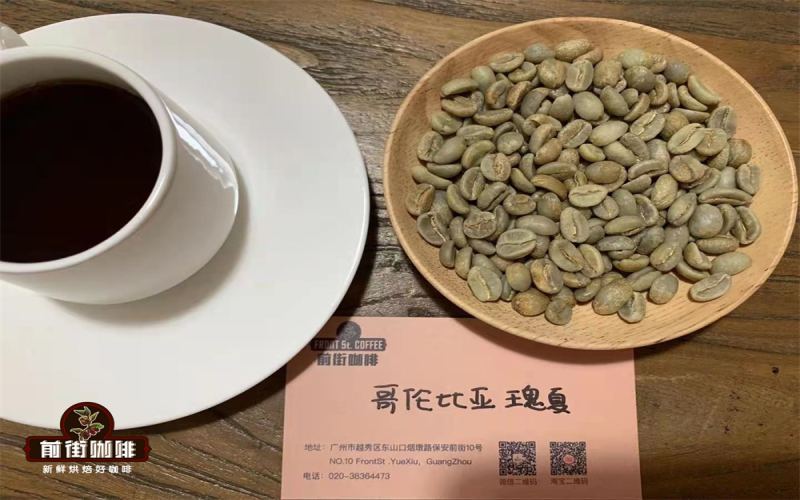
Panama Flying Geisha Estate Sun-Dried Geisha Flavor Analysis: A Complete Guide from Hacienda La Esmeralda Grading to Front Street Coffee Brewing Parameters
Geisha coffee has long been regarded as the pinnacle of specialty coffee, and Geisha produced in Panama is especially renowned for its complex, layered aroma. This article begins with a naturally processed micro-lot Geisha from Lingkong Estate, tracing its varietal origins, processing methods, and estate background, and then extends to the Geisha grading system of Panama's Hacienda La Esmeralda—the differences between Auction, Red Label, and Green Label. At the same time, drawing on Front Street Coffee's brewing experience, it provides extraction parameters and flavor references for light-roasted Geisha, helping coffee lovers understand Geisha's positioning and key tasting points. [more…]